
Moving to Lincoln Park Chicago: Essential Tips for New Residents
Moving to Lincoln Park Chicago: Essential Tips for New Residents
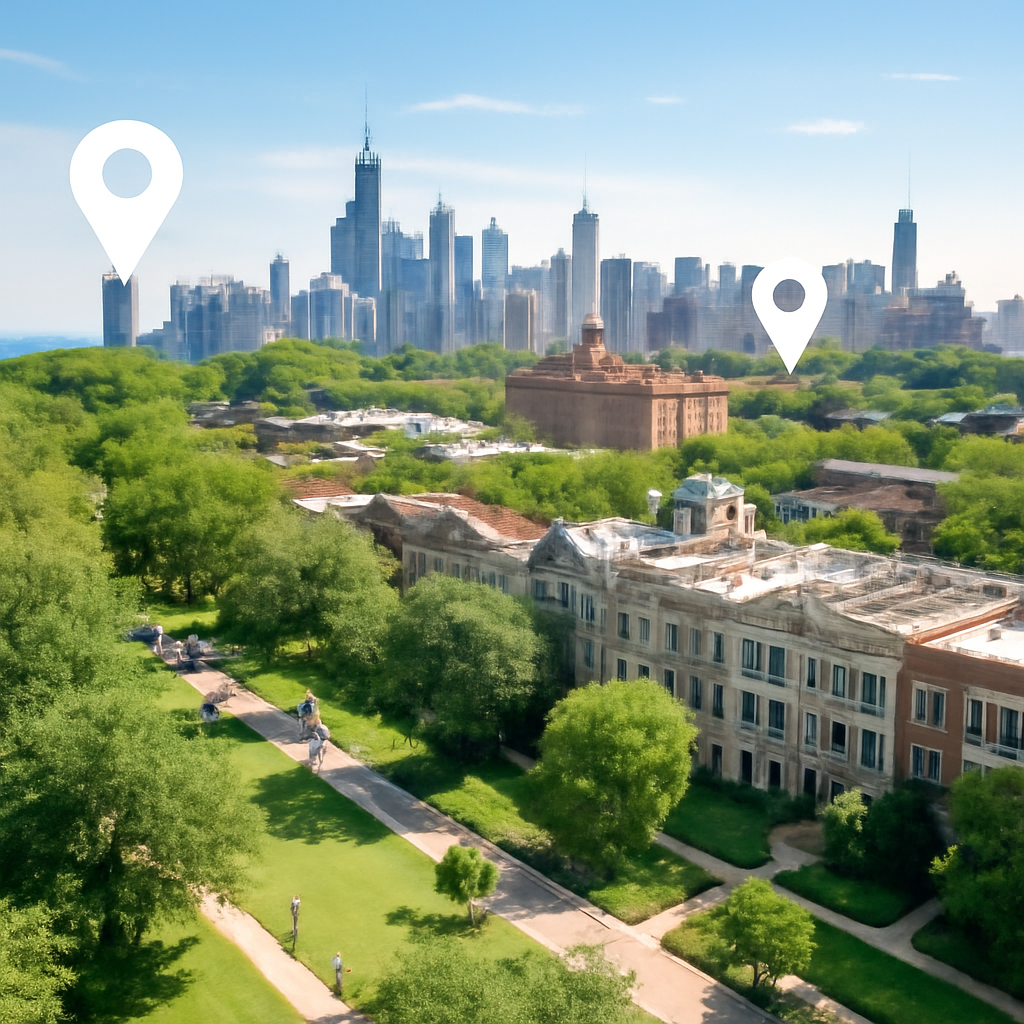
Moving to Lincoln Park Chicago places new residents in one of the city’s most desirable lakefront neighborhoods, combining historic streets with modern amenities. According to Walk Score, Lincoln Park earns an overall score in the low 90s, meaning most daily errands can be completed on foot. Classic greystones along Sheffield Avenue sit beside newer mid-rise buildings, while proximity to Lake Michigan, DePaul University, and the expansive Lincoln Park itself creates a rare mix of urban energy and green space access.
What should new residents know before moving to Lincoln Park Chicago?
Understanding the neighborhood’s boundaries and micro-areas is essential before moving to Lincoln Park Chicago. The community generally stretches from Diversey Parkway south to North Avenue and from Lake Michigan west toward the Chicago River. Armitage Avenue, Halsted Street, and Clark Street each offer distinct retail corridors with different noise levels and nightlife intensity. According to the U.S. Census Bureau, Chicago’s North Side neighborhoods, including Lincoln Park, feature relatively high educational attainment, which often correlates with strong local services and amenities.
Historic architecture shapes the daily feel of Lincoln Park. Rows of brick two- and three-flats line streets such as Orchard Street and Dayton Street, while renovated lofts appear closer to the Clybourn Corridor. Many structures date back more than 100 years, yet interiors frequently showcase stainless appliances, quartz counters, and efficient windows. According to City of Chicago planning data, landmark designations throughout the area help preserve facades and block-scale character even as interiors modernize.
Expect noticeable seasonal shifts. Summer brings outdoor dining along Lincoln Avenue and lively patios near Lincoln Hall and Café Ba-Ba-Reeba!, while winter quiets many side streets beneath several inches of lake-effect snow. The proximity to Lake Michigan moderates temperatures slightly compared with inland neighborhoods. Based on climate summaries from National Weather Service Chicago, average January highs sit near the low 30s Fahrenheit, with July averages in the low 80s.
How do housing options and costs compare within Lincoln Park?
Housing options in Lincoln Park range from compact studios near Fullerton Avenue to multi-level single-family homes west of Racine Avenue. According to Redfin data through early 2026, entry-level condos in Lincoln Park often trade in the approximate range of $350,000 to $500,000, while larger single-family homes can command prices above $1,500,000, especially near the lakefront or on oversized lots. Courtyard and mid-rise elevator buildings commonly offer one- and two-bedroom layouts with amenities such as fitness rooms and shared rooftops.
Rental choices remain equally diverse. According to RentCafe, average asking rents in Lincoln Park typically fall within a broad band around $2,000 to $3,000 per month for many one- and two-bedroom apartments, depending on building age, amenities, and exact location. Vintage walk-ups along Fremont Street may offer slightly lower rents but fewer in-building conveniences, while newer developments near North Avenue and Clybourn Avenue tend to include parking, lounges, and package rooms.
Late afternoons along Armitage Avenue highlight the neighborhood’s residential character, with golden light reflecting off bay windows and ornate cornices above boutiques like Art Effect and shops near Bissell Street. The soft clink of dishes from sidewalk tables at local restaurants blends with faint music drifting from open doorways, while the aroma of roasted coffee from Foxtrot Market mingles with the scent of blooming planters. Pedestrians feel brick underfoot along stretches of restored sidewalks, creating a tactile reminder of Lincoln Park’s long-established streetscape.
What commuting and transportation choices define daily life in Lincoln Park?
Transportation access ranks among the strongest advantages when moving to Lincoln Park Chicago. The CTA Brown and Purple Lines stop at Armitage and Fullerton, while the Red Line serves the Fullerton and North/Clybourn stations. According to the Chicago Transit Authority, rail ridership along the North Side trunk line remains among the system’s highest, supporting frequent service intervals often under 10 minutes during peak hours. Several CTA bus routes along Clark Street, Halsted Street, and Stockton Drive further expand mobility.
Active transportation also plays a central role. The 18-mile Lakefront Trail, accessible from North Avenue Beach and Fullerton Beach, enables bike or foot commutes downtown in roughly 20 to 30 minutes for many riders. According to Chicago Department of Transportation, the city’s protected bike lanes and marked routes through Lincoln Park continue to expand, with buffered lanes along stretches of Lincoln Avenue and Clybourn Avenue improving safety. Divvy bike-share stations dot intersections near Webster Avenue, Belden Avenue, and Diversey Parkway.
Parking dynamics vary widely by block. Side streets west of Sheffield Avenue often operate under residential permit systems, while commercial stretches along Clark Street and Halsted Street feature metered parking with posted time limits. According to the City of Chicago Finance Department, meter rates in many North Side neighborhood zones generally fall in the range of $2.00 to around $4.00 per hour, with higher rates closer to major entertainment clusters. Some newer apartment buildings bundle garage spaces into monthly rents, while others charge separate fees.
How do schools, parks, and recreation shape Lincoln Park living?
Education acts as a major draw for households moving to Lincoln Park Chicago. Public options include Lincoln Elementary School on Kemper Place, Oscar Mayer Magnet School on Clifton Avenue, and Lincoln Park High School on Orchard Street. According to GreatSchools, several Lincoln Park-area schools earn ratings in the upper range of the 10-point scale, contributing to steady housing demand near their attendance boundaries. DePaul University’s Lincoln Park campus along Fullerton Avenue further enriches educational and cultural offerings.
A walk through Oz Park just off Webster Avenue illustrates everyday leisure in Lincoln Park. The crunch of gravel paths underfoot contrasts with the smooth grass where families spread picnic blankets near the Dorothy and Scarecrow statues. The scent of grilled food from weekend gatherings mingles with fresh-cut grass and occasional wafts of coffee from nearby cafes on Larrabee Street. Children’s laughter rises from the playground while tennis balls thud rhythmically against courts, creating a layered soundtrack typical of warm-weather evenings.
Recreational opportunities extend well beyond Oz Park. According to the Chicago Park District, Lincoln Park spans more than 1,200 acres along the lakefront, encompassing Lincoln Park Zoo, North Pond Nature Sanctuary, and multiple athletic fields. Free admission at Lincoln Park Zoo on Cannon Drive offers budget-friendly outings throughout the year. North Avenue Beach hosts volleyball tournaments and public events, while Diversey Harbor provides boating slips and lake access during warmer months.
What practical tips help new residents settle into Lincoln Park quickly?
Daily logistics matter as much as scenic lakefront views when moving to Lincoln Park Chicago. Grocery options include Mariano’s on Broadway, Trader Joe’s on Diversey Parkway, Whole Foods Market on Kingsbury Street, and smaller shops along Clark Street. According to Walk Score, Lincoln Park’s grocery access helps support its high overall rating in the low 90s, indicating that many households can complete most shopping trips without driving. Dry cleaners, hardware stores, and pharmacies cluster near major intersections such as Fullerton and Halsted or Clark and Diversey.
Dining and nightlife provide additional orientation points. Bars and music venues around Lincoln Hall on Lincoln Avenue, wine bars near Webster Avenue, and restaurants close to Wrightwood Avenue create a wide range of evening options. According to hospitality data summarized by Choose Chicago, the broader North Side, including Lincoln Park, contains hundreds of restaurants and bars within a few square miles, giving residents extensive choices across price points. Side streets typically quiet earlier than main corridors, which helps many blocks maintain a residential feel.
Local services support smooth transitions. New residents often register vehicles for residential parking permits through the City of Chicago, while library cards from the Chicago Public Library’s Lincoln Park branch on Fullerton Avenue unlock digital resources and community programming. Fitness options span big-box gyms on Clybourn Avenue, boutique studios near Halsted Street, and yoga spaces along Clark Street. Seasonal farmers markets at the Green City Market near the Lincoln Park Zoo entrance operate several months per year, offering fresh produce and locally prepared foods.
The Walk Score in the low 90s cited at the start of this guide reflects Lincoln Park’s rare combination of density, retail mix, and access to recreation, which continues to attract residents from across the region. That same figure from the opening underscores how daily errands, commuting, and leisure frequently unfold within a compact, navigable area. The Chicago Association of Realtors market reports provide ongoing insight into inventory shifts and pricing patterns affecting Lincoln Park and nearby neighborhoods. Renters and buyers who register tailored listing alerts and schedule in-person tours within 48 hours of a promising property hitting the market before the late-spring leasing and buying surge typically secure stronger positions in negotiations. Households that delay action until after that seasonal upswing often encounter higher asking prices, tighter selection, and increased competition for the most desirable blocks and buildings.
Categories
Recent Posts

Real Estate Broker | License ID: 475128284